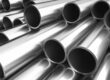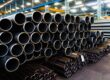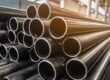


From construction sites to manufacturing facilities, steel pipes are essential components in many structures and systems we rely on every day. While coated options are available, uncoated steel remains a practical choice for projects that involve welding, fabrication, or additional finishing. The seven common uses for uncoated steel pipe today reveal just how versatile this material can be. Here’s a closer look at its applications and what you should consider when choosing it for different projects.
Structural Frameworks in Construction
Steel pipes are widely used in construction projects that require strong, reliable structural components. Depending on their specifications, they can serve as support columns or bracing elements in buildings and industrial facilities. Their hollow design provides a useful balance between strength and weight, making them suitable for various structural applications.
Uncoated steel is particularly useful when components need to be welded or modified before installation. Contractors can cut and assemble sections to meet a project’s design requirements, then apply a protective finish if necessary. However, any load-bearing application requires properly rated materials and engineering calculations to maintain structural integrity.
Choosing the Right Pipe Specifications
Not all steel pipes suit every construction application. Wall thickness and outside diameter influence how much weight a pipe can safely support under different conditions. Steel grades also vary in mechanical properties, so some options suit structural applications better than others. Review project requirements and applicable building codes before purchasing materials to prevent costly installation mistakes.
Industrial Piping Systems

Among the common uses for uncoated steel pipe today, industrial piping is one of the most widespread. These pipes can transport compatible liquids and gases throughout manufacturing plants, processing facilities, and other industrial environments. Businesses often choose uncoated steel pipe for its durability and versatility, particularly in systems that require welding or other modifications.
Here are some applications for uncoated steel pipe in industrial systems:
- Steel pipes distribute compressed air to pneumatic tools and machinery throughout industrial facilities.
- Manufacturing plants use steel piping to transfer compatible fluids between tanks and processing equipment.
- Certain steel pipes transport petroleum products through systems designed for specific pressures and operating conditions.
- Properly rated steel tubing carries pressurized hydraulic fluid to machinery and equipment.
- Some facilities use steel piping in closed-loop water systems where corrosion is carefully controlled.
Preventing Internal and External Corrosion
Without a protective coating, steel pipes can gradually deteriorate when exposed to moisture or corrosive substances. To reduce this risk, facility managers should consider what materials will flow through the pipes and the conditions they’ll encounter during operation. Regular inspections can reveal early signs of leaks or deterioration before they cause more serious problems. Depending on the application, protective treatments or corrosion inhibitors may be necessary to extend the system’s service life.
Manufacturing Equipment and Machinery
Steel pipes and tubing also play an important role in manufacturing equipment that needs sturdy structural components. For example, they can be incorporated into machine frames and conveyor rollers. Their strength makes them especially useful in facilities where machinery runs continuously and endures repeated mechanical stress.
Another advantage is that uncoated steel can be welded and modified to accommodate specialized equipment designs. Manufacturers can cut sections to precise lengths and join them with other metal components to create custom assemblies. By selecting the appropriate pipe dimensions and material properties, they can balance structural performance with equipment weight and production costs.
Agricultural Equipment and Infrastructure
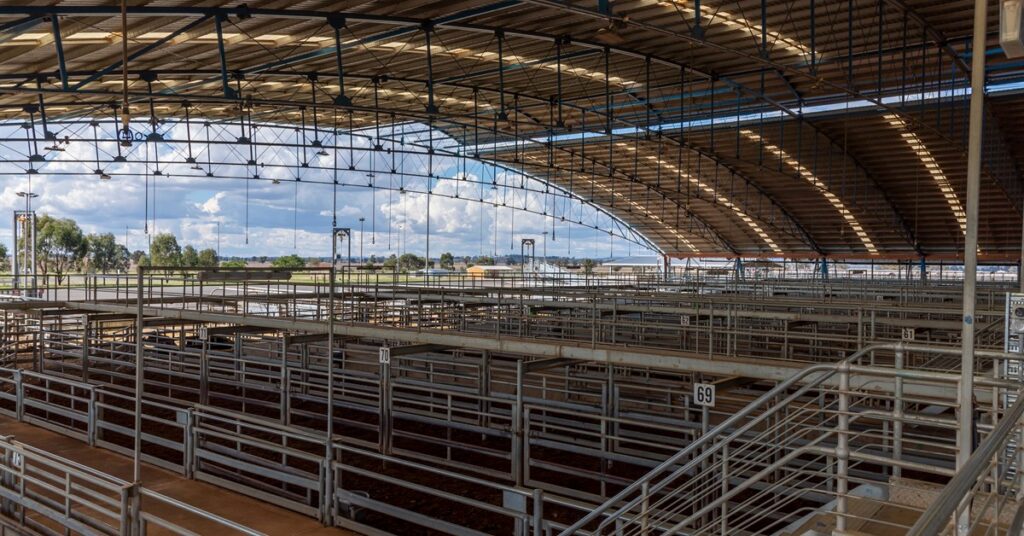
Farms and agricultural facilities depend on equipment that can withstand demanding working conditions. Steel pipes are commonly used in livestock handling systems and machinery frames, as well as structures that support feeding and storage operations. Their durability makes them useful for applications involving frequent movement, physical stress, and repeated use.
Uncoated steel is also a practical option when farmers need to repair or modify existing machinery. Because it’s relatively straightforward to cut and weld, the material can be fabricated into replacement components that match specific equipment requirements. However, outdoor installations need additional protection since prolonged exposure to moisture can cause corrosion.
Protecting Steel in Outdoor Environments
Agricultural equipment frequently encounters rain, humidity, and fertilizers that can accelerate rust formation. Applying suitable primers and protective coatings after fabrication creates a barrier against these conditions. It’s also important to inspect joints and areas where water tends to collect, since trapped moisture can gradually weaken steel components. Regular cleaning and timely repairs can further extend equipment life and reduce the need for premature replacements.
Fencing, Gates, and Barriers
Steel pipes are a popular choice for fencing systems that provide security and manage access. Their strength makes them suitable for structures that must withstand regular use or occasional physical impacts. Fabricators can also cut and weld uncoated steel into custom configurations before applying a protective finish.
Some common fencing and barrier applications include:
- Livestock enclosures: Steel pipe frames and rails create sturdy boundaries for containing and managing farm animals.
- Warehouse safety barriers: Steel structures separate pedestrian walkways from areas with moving equipment.
- Commercial security fencing: Steel posts and rails support perimeter fencing around businesses and industrial properties.
- Driveway and access gates: Welded pipe frames provide structural support for gates that open and close frequently.
- Equipment protection barriers: Steel pipe guards reduce the risk of accidental contact with machinery and other valuable assets.
Scaffolding and Temporary Structures
Construction crews often need temporary structures to reach elevated work areas and perform tasks safely. When manufactured and approved for these purposes, steel tubing can be used in scaffolding systems and temporary platforms. Its structural properties make it suitable for systems that support workers and construction materials.
These structures must also be relatively easy to assemble and dismantle as projects progress. Compatible tubing and connection systems let crews configure approved scaffolding for different work areas without needing entirely new equipment. However, workers shouldn’t substitute ordinary steel pipe for certified scaffolding components unless an engineer has verified its suitability.
Scaffolding Safety Requirements
Before workers can use scaffolding, the system must meet applicable safety regulations and load capacity requirements. Every component needs to function properly within the overall structure, from the tubing to the connectors and platforms. Inspections should identify damage, corrosion, loose connections, or other conditions that could compromise stability. Following manufacturer instructions and established safety procedures is essential for reducing the risk of construction accidents.
Custom Metal Fabrication Projects
Metal fabrication shops frequently use uncoated steel pipes to create specialized components. Depending on the material’s properties, fabricators can cut, bend, drill, and weld sections to meet specific design requirements. These capabilities make steel piping useful for everything from custom equipment stands to handrail assemblies and structural frames.
One benefit of working with uncoated steel is the flexibility to apply finishing treatments after fabrication. For instance, a completed component might receive paint or powder coating to protect it against corrosion in its intended environment. With the right materials and fabrication techniques, businesses can produce custom parts that meet their performance requirements.
One of the biggest advantages of uncoated steel is its flexibility, which lets you customize it for a wide range of applications. However, choosing the right material is only part of the process. You’ll also need to consider how the finished product will be used, the conditions it will face, and whether it needs additional protection against corrosion. Planning for these factors from the beginning can improve long-term performance and reduce the need for costly repairs.