
Building a pipe railing system can involve more fabrication work than the finished structure suggests. Welding connections and adjusting materials to fit different layouts can add time to a project, especially when installation conditions vary. Kee Klamp fittings make it easier to build fast, efficient pipe rail systems by connecting sections mechanically instead of relying on welded joints. See how these components can make your next railing project easier to plan and execute.
How Kee Klamp Fittings Work
Kee Klamp fittings are galvanized malleable iron connectors that join steel pipes without welding or threading. Each fitting has openings that accommodate pipe sections, allowing installers to create connections for different structural layouts. Once the pipes are positioned correctly, integrated set screws tighten against their surfaces to secure the connection.
This method lets installers assemble railings from individual pipe sections rather than permanently welded components. Installers can also loosen the fittings to make adjustments during assembly or reconfigure the railing later. Kee Klamp fittings are commonly used for handrails, guardrails, safety barriers, and other tubular structures that require reliable mechanical connections.
Benefits of Weld-Free Rail Assembly
Welding isn’t always the most practical way to assemble a pipe railing system, especially for on-site installation. With Kee Klamp fittings, installers can build pipe rail systems faster by eliminating welded connections and making components easier to position.
Reduced Fabrication Time
Traditional welded railings often require additional preparation, specialized equipment, and finishing work at connection points. Kee Klamp fittings eliminate these welding steps by allowing pipe sections to be joined mechanically. This can shorten assembly time, particularly for projects with multiple connections or repeated railing configurations.
Simplified On-Site Installation
Kee Klamp systems can be assembled using basic hand tools rather than welding machines or pipe-threading equipment. Installers can position fittings and adjust pipe alignment on site before tightening the connections. This makes assembly more manageable in areas where access to fabrication equipment is limited.
Consistent Connections Across Assemblies
Standardized Kee Klamp fittings let manufacturers use the same connection types across multiple railing sections. Once a layout is established, fabricators can repeat the configuration without creating custom joints for each assembly. This simplifies material planning and supports a more consistent installation process across similar projects.
Easier Adjustments and Future Modifications
Unlike welded joints, Kee Klamp connections can be loosened to reposition or replace individual components. If a railing needs to be extended or reconfigured, installers can reuse existing fittings and pipe sections where they’re still suitable. This flexibility can reduce disassembly and fabrication when a railing system changes.
Common Fitting Types

Choosing the right fittings starts with understanding your railing system’s layout and connection requirements. Different configurations may require specific connection angles or mounting arrangements, so account for these details before ordering materials. Review available Kee Klamp pipe fittings to coordinate components and avoid installation issues.
Common fitting types include:
- Elbow fittings: Connect pipes at corners and directional changes.
- Tee fittings: Join horizontal and vertical members.
- Cross fittings: Connect intersecting pipes at designated points.
- Straight couplings: Join two pipe sections along the same run.
- Flange fittings: Attach pipe members to suitable mounting surfaces.
- Adjustable fittings: Accommodate certain nonstandard angles or changing layouts.
Selecting Compatible Pipe and Fittings
A properly designed connection depends on more than choosing the right fitting configuration. The pipe must also match the connector’s dimensions and meet the structural requirements of the finished railing. Before ordering materials, verify compatibility and consider the conditions in which the system will be installed.
Matching Pipe Diameters to Fitting Sizes
Fabricators should verify that the specified pipe dimensions match the fitting requirements, especially when using different pipe schedules or tubing specifications. Variations in outside diameter can affect how securely the set screws engage the pipe and compromise connection performance. Check the manufacturer’s sizing specifications before ordering.
Pipe Material and Coating Considerations
Galvanized steel pipe is a common choice for Kee Klamp railing systems, especially where the material will be exposed to moisture. Its zinc coating provides corrosion protection, although long-term performance depends on environmental conditions and the coating’s condition. Beyond surface protection, the pipe’s wall thickness and mechanical properties must be suitable for the loads the railing will experience. Any exposed steel at cut ends or damaged coating areas may also need additional protection, depending on the installation environment.
Building Pipe Rail Systems

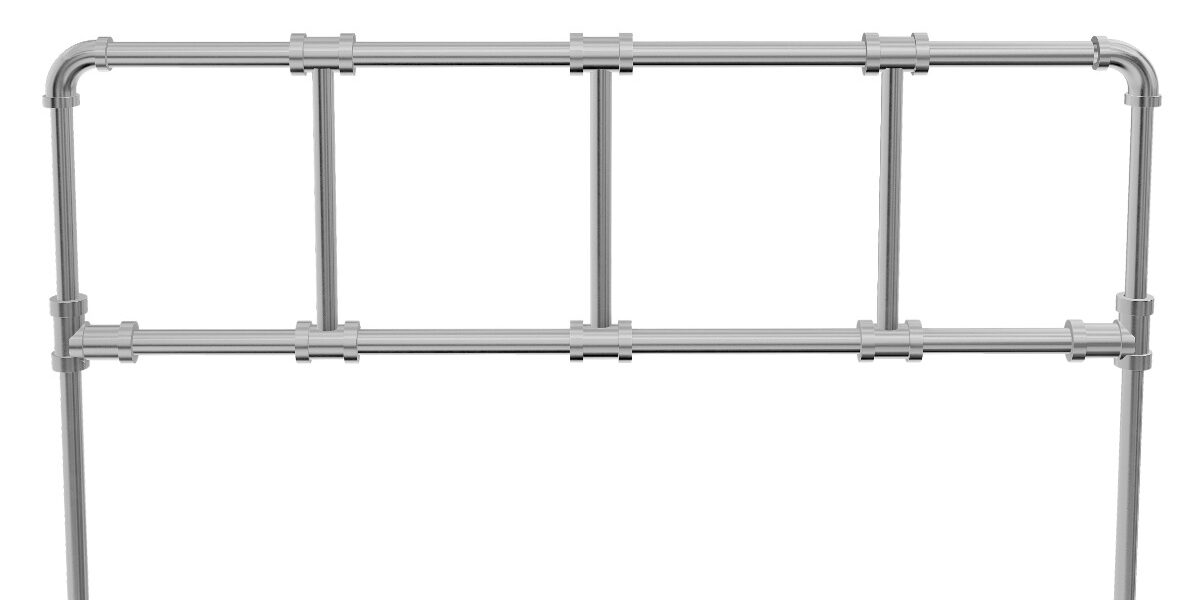
Kee Klamp components can be arranged to create railings for walkways, equipment platforms, access areas, and other locations that need protective barriers. Because the system uses separate pipe sections and mechanical fittings, fabricators can configure horizontal rails and support posts to suit the installation. Still, the completed design must account for mounting conditions and applicable railing requirements.
The layout also determines how much pipe you’ll need and where connections should be placed. A straight railing typically uses fewer fitting configurations than one with corners, elevation changes, or multiple rail levels. Preparing a detailed layout before cutting materials gives fabricators a clearer picture of the components required and reduces unnecessary rework.
Rail Heights and Post Spacing
Rail height and post spacing affect a pipe railing system’s structural performance and must be established during the design phase. The required dimensions depend on whether the installation serves as a handrail, guardrail, or industrial safety barrier.
Post spacing must provide adequate support for the horizontal rails under anticipated loads. Wider spacing can increase bending stress and deflection, so evaluate the pipe’s structural capacity and connection strength. Before finalizing the design, verify that the proposed dimensions and mounting methods meet applicable building codes and workplace safety standards.
Installing Kee Klamp Rail Systems
Installation typically begins by positioning the support posts and aligning the railing correctly. From there, installers slide fittings onto the pipe and connect the horizontal members according to the layout.
Once the railing is aligned, the fittings can be tightened according to the manufacturer’s instructions. Installers must also properly anchor posts and mounting flanges to the supporting structure. Before the system is put into service, installers should check the connections and confirm that the finished assembly meets project-specific safety requirements.
Every unnecessary fabrication step can affect your project’s schedule, especially when you’re producing multiple railing assemblies. Making the right material decisions upfront creates opportunities to streamline production and keep installation work on track. Whether you’re preparing a new railing design or updating an existing one, having compatible pipe and fittings ready can make the process more efficient. Contact US Wholesale Pipe & Tube to coordinate the materials for your next project and request a quote.