
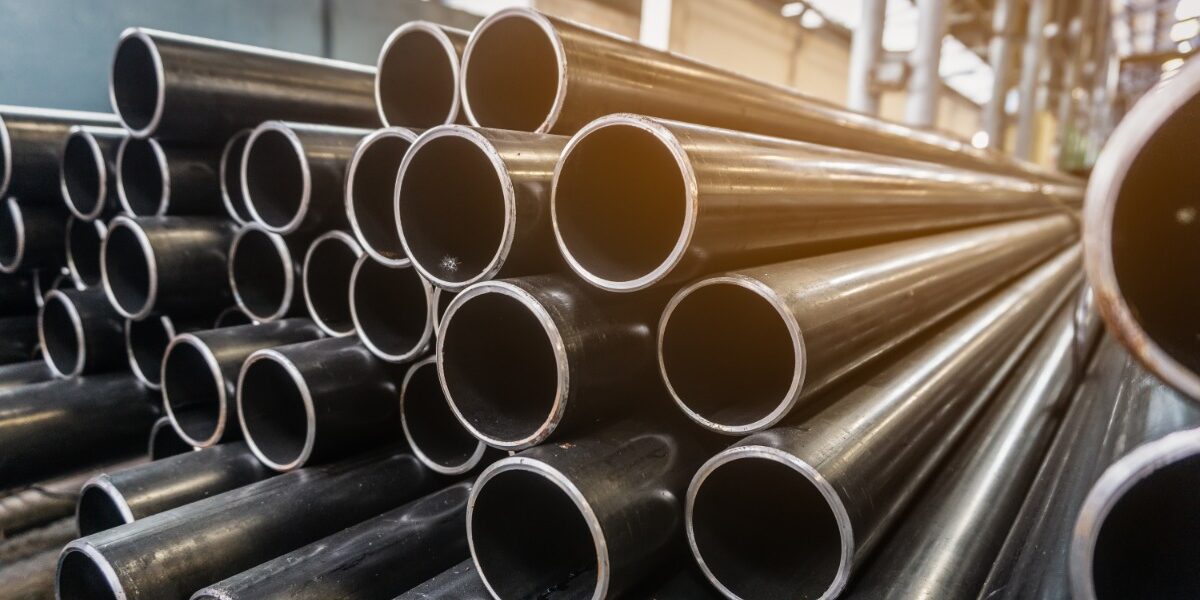
Manufacturing decisions often come down to how well a material performs in production and in the finished product. For OEMs that rely on steel tubing, consistency and durability can directly affect efficiency and product quality. Flo-Coat steel tubing is in-line galvanized steel tubing with a multi-layer protective coating. Here are five benefits that make it a preferred option for many OEM applications.
How the Flo-Coat Process Works
A closer look at how Flo-Coat steel tubing is made explains why it performs differently from other coated steel options. Flo-Coat steel tubing is produced through an in-line galvanizing process, meaning the protective finish is applied as part of the tube manufacturing line rather than in a separate batch process.
After the tube is formed and welded, the exterior is coated with multiple protective layers designed to work together against corrosion. These include a zinc coating, a conversion coating, and a clear organic topcoat that seals the surface and provides additional protection.
That multi-layer system is one of the main differences between Flo-Coat and other galvanized tubing options. The conversion coating slows the formation of white rust, while the clear topcoat further protects the galvanized surface. The interior also receives a zinc-rich coating after welding.
1. Enhanced Corrosion Resistance
One of the main reasons manufacturers choose coated steel tubing is the added surface protection it provides compared to bare steel. In applications where moisture or environmental exposure can contribute to corrosion, that extra barrier can play an important role in material selection.
Flo-Coat also protects areas that can be vulnerable with other galvanized tubing methods. Because the tube is coated after forming and welding, the interior receives a zinc-rich coating that includes the weld seam. That gives Flo-Coat more complete inside-and-out corrosion protection than pre-galvanized tubing, where the weld seam may have little or no corrosion resistance.
Protection for Interior Surfaces
The inside of a tube can be exposed to moisture, condensation, or other conditions that promote corrosion. Protective coverage reduces the amount of bare steel directly exposed inside the tube. That added protection can be especially useful in applications where internal surfaces aren’t easily accessible after fabrication.
Protection for Exterior Surfaces
Exterior tube surfaces may be exposed to weather, handling, storage conditions, or the environment where the finished product will operate. A protective coating creates an added barrier between the steel and those conditions. For outdoor or demanding applications, that can support longer-lasting performance. The level of protection needed will still depend on the product’s intended use and service environment.
2. Consistent Quality for OEM Production
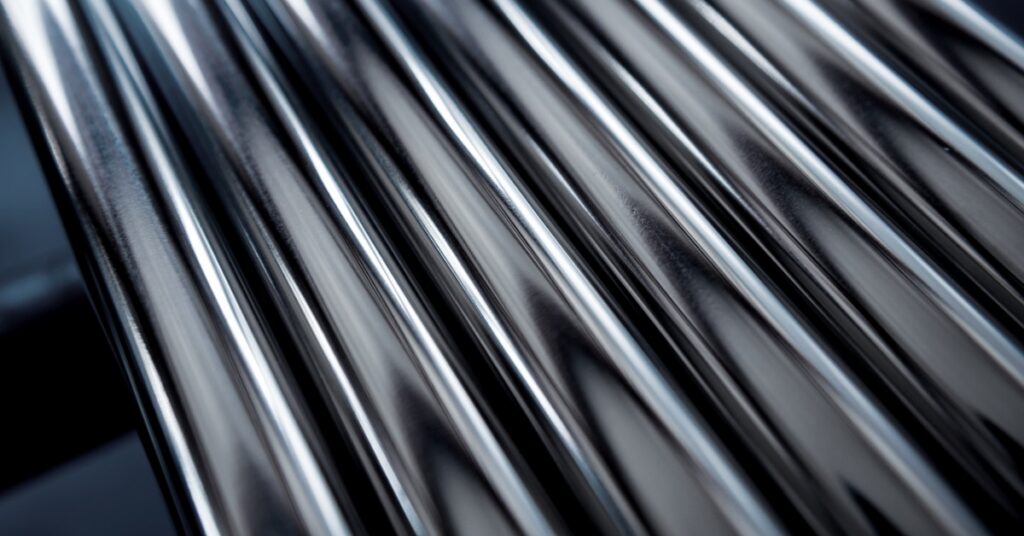 Production consistency is another benefit of Flo-Coat steel tubing, which can be especially valuable when making repeat parts and assemblies. When dimensions and material characteristics stay consistent, it’s easier to plan fabrication around known specifications. That predictability can become increasingly important as production volume grows.
Repeatable Fit-Up and Dimensions
Consistent tubing dimensions can make it easier to achieve repeatable fit-up between components. That consistency supports more uniform finished-part dimensions across production runs. It can also reduce the need to make frequent adjustments when parts are assembled. For manufacturers producing the same components at scale, that repeatability can simplify day-to-day production.
Predictable Cutting and Forming
Consistent material characteristics can make cutting and forming processes easier to plan around. When tubing performs as expected, manufacturers can use established procedures with greater confidence. This can reduce unnecessary changes between production runs. It also supports a more controlled fabrication process from one batch to the next.
3. Reliable Performance Across Production Runs
Flo-Coat steel tubing can provide OEMs with a dependable material baseline when the same parts are produced across multiple runs. Consistent material characteristics make it easier to maintain established fabrication procedures rather than adjust the process each time new tubing enters production. That repeatability can support more predictable results from one batch to the next.
For manufacturers producing recurring components, this consistency can also simplify scheduling, setup, and quality control. Teams can work from familiar process expectations and focus less on compensating for material variation.
4. Streamlined Fabrication and Processing
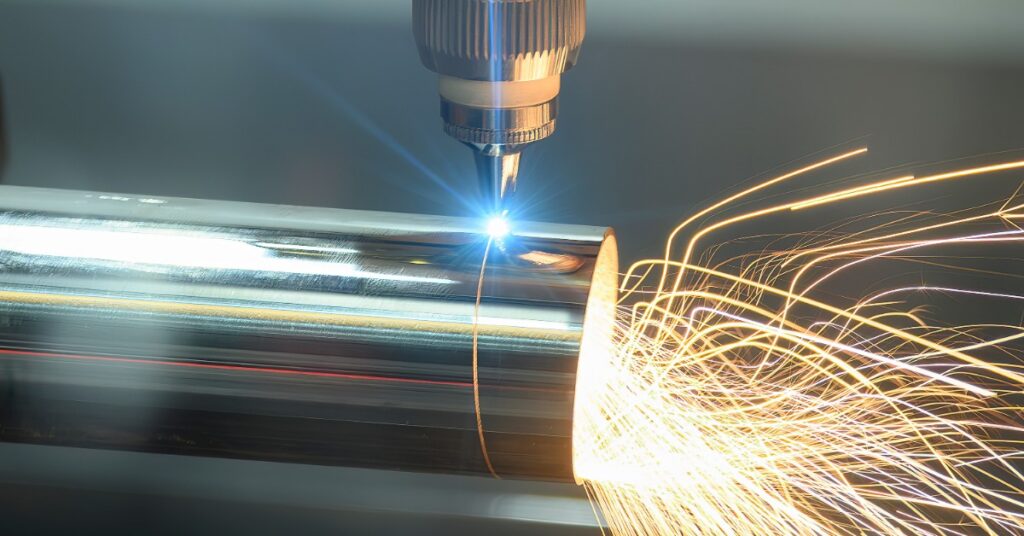 Flo-Coat steel tubing may go through several fabrication steps before becoming part of a finished product. Selecting the right mechanical steel pipe and tube specification can support both fabrication and downstream finishing requirements. Because the coating stays on the tube during processing, manufacturers need to consider how operations will interact with the material.
Flo-Coat’s coating is designed to flex and adhere to the base metal through common fabrication processes. Clean tooling is still important, since damaged or dirty tooling can tear the coating during fabrication.
Designed for Common Fabrication Processes
Flo-Coat tubing can be used in fabrication processes such as bending, welding, and swaging. Its galvanized coating is designed to remain intact during typical forming operations rather than easily chipping or flaking. Manufacturers should still account for the specific forming and joining requirements of each component. Matching those requirements to the tubing specification can make the material easier to incorporate into an established production process.
Easier Painting and Powder Coating
Flo-Coat tubing can also be painted or powder-coated when a finished product requires a specific appearance or an additional finish. The tubing generally requires little preparation before these finishing processes. That can be useful for OEMs producing components that need both corrosion protection and a finished surface.
5. Versatility Across OEM Applications
Flo-Coat steel tubing’s galvanized coating protects the steel from corrosive conditions. This added protection is especially useful in products exposed to moisture, frequent handling, or outdoor environments. Below are some of the top applications for this material.
Common applications for Flo-Coat steel tubing include:
- conveyor and material-handling systems
- boat lifts and dock components
- outdoor furniture
- agricultural structures
- fencing systems
- playground equipment
- greenhouse and irrigation systems
Flo-Coat steel tubing gives OEMs a practical combination of corrosion protection, consistency, and fabrication flexibility. These benefits can support dependable performance across a range of production needs and end-use environments. US Wholesale Pipe and Tube offers a broad selection of Flo-Coat options for OEM applications. Our team can help you identify the right specification for your production and performance requirements.