

Sign installations don’t always follow the same setup from one location to the next, even on the same project. Changes in height, mounting style, and site conditions can make a fixed post system harder to work with. Telescoping tube posts offer more flexibility for strong sign installations by using adjustable square tubing sections that fit together.
How Telescoping Signposts Work
Telescoping signposts use square tube sections sized so one fits inside the next larger section. This nested construction lets you adjust the post without relying on a single fixed-length member for every installation. You can then build out the finished assembly with compatible fittings, fasteners, and accessories based on the sign system’s needs.
Nested Tubes Allow Height Adjustment
Different tube sizes can be combined to achieve the height needed for a particular installation. Because one section slides into another, installers can adjust the assembly while keeping the same basic post system. That flexibility can be useful when sign heights vary between locations or when field conditions require changes during installation. It can also make future extensions or modifications easier when the sign layout changes.
Perforations Simplify Connections
Perforated square tubing provides a series of holes that work with compatible fastening hardware. Instead of being limited to a single connection point, installers have multiple positions to join sections or secure components. US Wholesale Pipe & Tube offers perforated Telespar tubing in multiple square dimensions, gauges, and lengths.
Weight Per Foot and Post Selection
Weight per foot indicates how much a given length of tubing weighs. Heavier tubing may require more effort to handle, transport, and install, while lighter tubing can be easier to manage in the field. If a telescoping tube is too lightweight for the application, it may flex too much, bow under load, or be unstable when fully extended.
Planning a Signpost Installation

For strong telescoping tube post installations, consider the full system. These posts can be used for parking signs, identification signage, and other outdoor sign assemblies. Site conditions and mounting needs can vary, so plan the post system around the specific application.
Review these factors before installing a telescoping tube signpost:
- required post height and configuration
- square tube dimensions and gauge
- sign size and mounting arrangement
- compatible fittings and fasteners
- connection points between tube sections
- site and installation conditions
Account for Ground and Exposure Conditions
Installation conditions can affect how a signpost performs once it’s in place. Soil stability, pavement type, drainage, and wind exposure can all influence how the post should be set and supported. Areas with frequent vehicle traffic or open exposure may also place additional demands on the assembly. Reviewing these conditions before installation can reduce avoidable movement, alignment issues, or premature wear.
Creating Stable Signpost Assemblies
A signpost needs to hold the sign securely in changing conditions. Square tubing offers good torsional stability, which can limit twisting under load. Its shape can also perform well in windy outdoor settings, where the post may be exposed to repeated pressure over time. Fittings, fasteners, mounting points, and installation methods all affect how the system performs.
Configuring Posts for Different Signs
Sign installations don’t all use the same mounting arrangement. Telespar telescoping square tubing supports back-to-back and multi-sided sign mounting. That versatility gives installers more options when visibility, available space, or the number of signs varies from one location to another.
Common configurations can include:
- single-signpost assemblies
- back-to-back sign mounting
- multi-sided sign arrangements
- identification signage
- parking meter posts
- barricade applications
Plan the Mounting Layout First
Planning the layout first makes the final assembly easier to align and secure. Start by deciding how many signs the post needs to support and where each one should face. Back-to-back signs can share the same general mounting area, while multi-sided layouts may require more careful spacing around the post. Check that each sign has enough clearance for its brackets and fasteners without interfering with nearby hardware.
Keep Connections Consistent
When mounting signs on multiple sides, keep connection points consistent so the load is distributed as evenly as the configuration allows. A consistent setup can also make future adjustments or replacements more straightforward. Use compatible brackets and fasteners at each mounting point, and avoid forcing hardware into positions that don’t align with the tubing. Recheck spacing after the first sign is attached, since its placement can affect the position of the remaining signs.
Adjusting and Extending Installed Posts
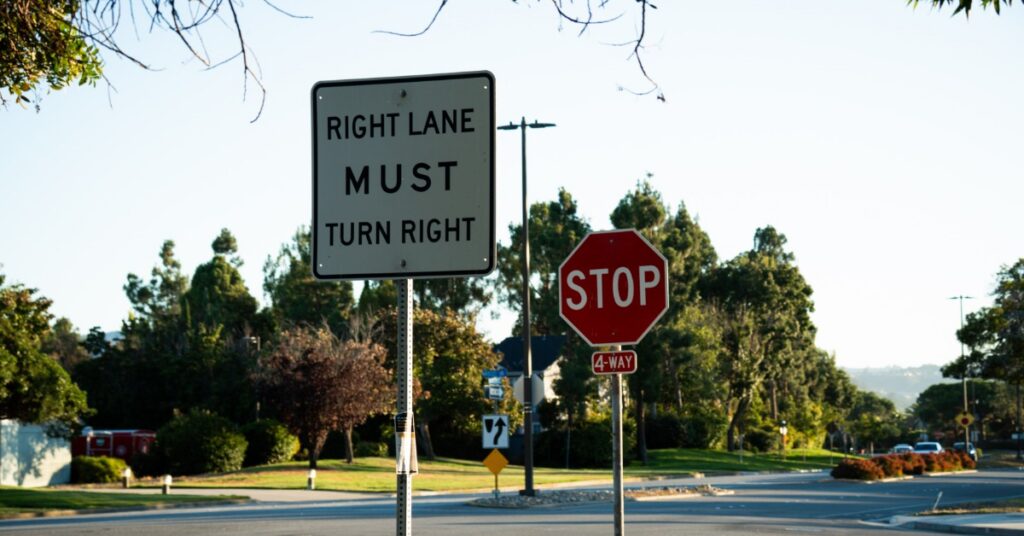
Sign requirements can change after installation, whether the post needs to be taller, repositioned, or adapted for additional signage. A telescoping system gives installers more flexibility to modify the existing assembly instead of starting over with a completely new post. Any change should still preserve proper fit and secure connections throughout the system.
Check Components First
Before making an adjustment, inspect the existing post for damage, corrosion, loosened hardware, or other signs of wear. Extending or modifying a compromised post can create additional problems once you add new components. Pay particular attention to connection areas, since those points carry loads between adjoining sections. If a component no longer fits securely or shows significant wear, you may need to replace it instead of reusing it.
Ensure Sections Engage
Telescoping sections need enough overlap to remain securely connected after an adjustment. Extending a post too far can reduce the tubing engaged between sections and affect assembly performance. Follow the requirements for the specific tubing system when setting the new height or position. After the adjustment, verify that all fasteners pass through the intended connection points and are fully secured.
Reevaluate the Updated Sign Load
Changing a post can also change the demands placed on the assembly. Adding another sign, increasing the mounting height, or extending the post may expose the system to different loads than it handled originally. Review the revised configuration as a complete system rather than assuming the original setup will perform the same way. This is especially important when the modification increases the sign area or places the sign higher above the ground.
A reliable signpost system depends on more than selecting a length of tubing and setting it in place. Telescoping square tubing gives installers flexibility to adjust height, accommodate different mounting arrangements, and modify assemblies when requirements change. Its square profile and modular construction also address practical concerns such as twisting, wind loads, and fastening. Consider the full post system and site conditions to simplify installation and adjustments.