
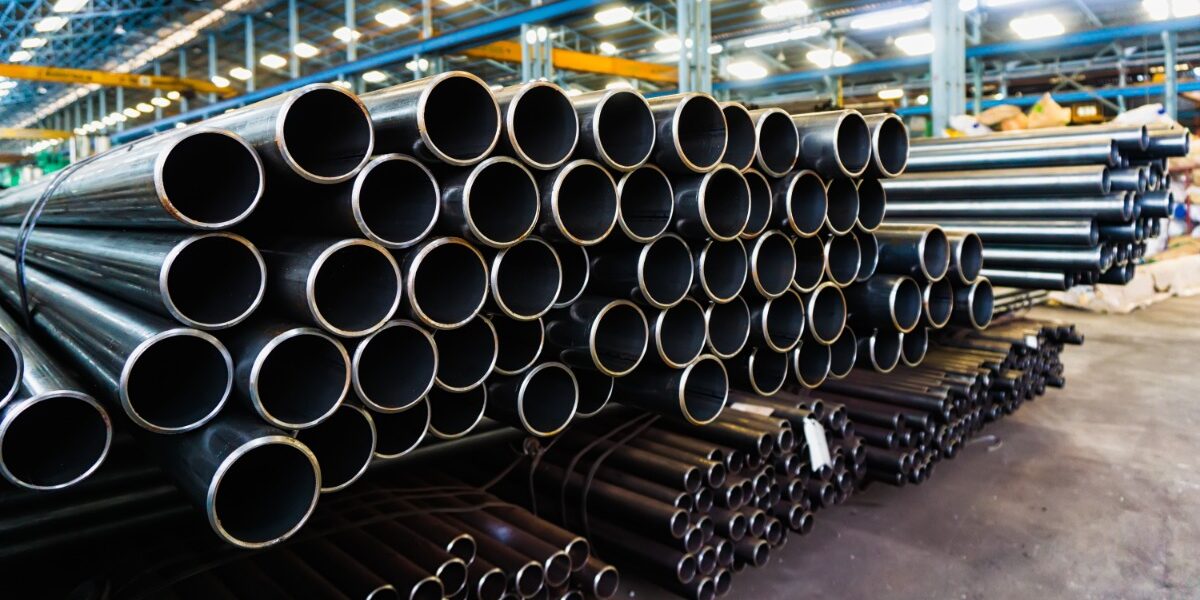
Choosing galvanized steel can seem straightforward until two zinc-coated products behave differently in fabrication or service. The way the coating is applied can affect coverage, finish, corrosion protection, and downstream processing. Hot-dip pipe is galvanized after manufacturing, while pre-galvanized steel tube starts with zinc-coated material before it is formed. Comparing the two can make it easier to determine which product fits the application.
How the Galvanizing Processes Differ
Hot-dip pipe and pre-galvanized steel tube both rely on zinc to protect the underlying steel, but the coating is applied at different points in production. That difference influences how the finished product is coated, especially around welds, cut edges, and other processed areas.
Several process differences are worth noting:
- Coating stage: Hot-dip galvanizing occurs after pipe manufacturing, while pre-galvanizing happens before the steel is formed into tube.
- Finished-product coverage: Hot-dip processing coats the completed pipe, while pre-galvanized tube relies on a coating applied before forming.
- Weld treatment: Pre-galvanized tube may require additional protection at the weld seam.
- Surface characteristics: Each process can produce different coating thicknesses, uniformity, and appearance.
Hot-Dip Galvanizing Process
During hot-dip galvanizing, finished steel pipe is prepared and immersed in molten zinc. The zinc reacts with the steel surface, forming a protective layer over areas exposed during the process. Because galvanizing occurs after the pipe is manufactured, the coating can extend across completed surfaces, including the weld area. Final coating characteristics can vary based on factors such as steel chemistry, surface preparation, and processing conditions.
Pre-Galvanizing Process
Pre-galvanized tube starts with steel sheet or strip that has already received a zinc coating. The material is then formed into a tubular shape and welded to create the finished product. Since coating comes before forming and welding, those later manufacturing steps can affect the zinc layer in certain areas. Buyers should therefore consider how weld seams, cut ends, and other processed surfaces are protected in the final component.
Comparing Coating Coverage and Protection
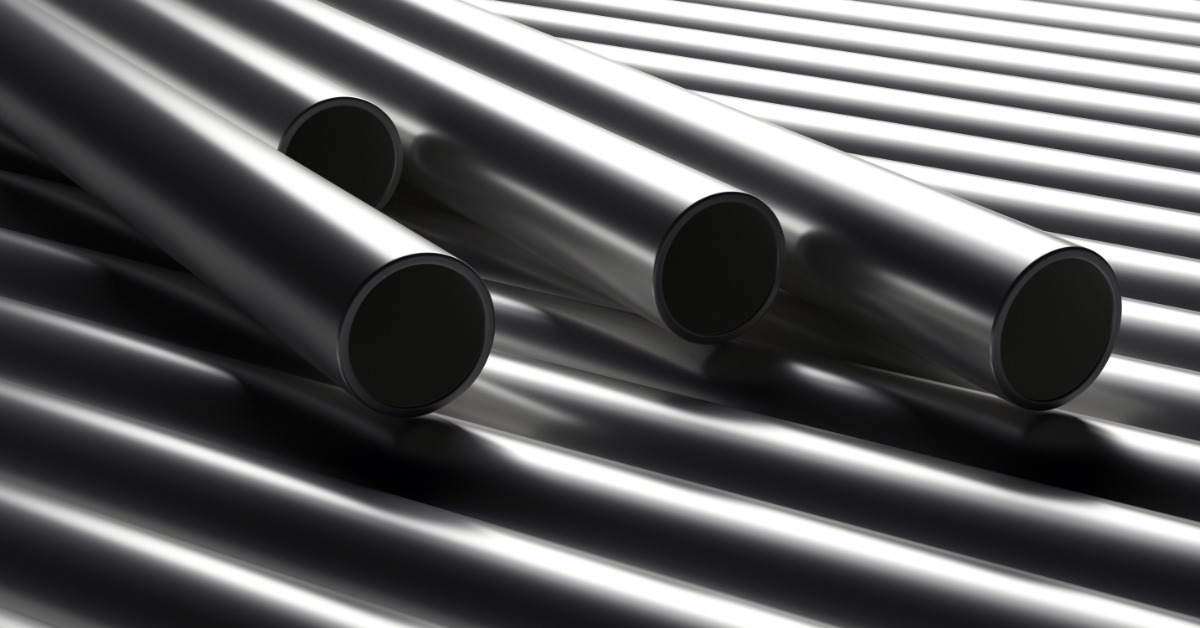 When manufacturers compare hot-dip pipe and pre-galvanized steel tube, coating coverage is one of the most useful areas to examine. Both products use zinc to reduce direct exposure of the underlying steel and provide sacrificial corrosion protection. However, the timing of the coating process affects how that protection is distributed across the finished product.
Coating Thickness and Uniformity
Hot-dip galvanizing typically produces a different coating profile than zinc applied to sheet or strip before forming. Even so, coating thickness alone shouldn’t determine which material is selected. The required level of protection depends on the service environment, product specifications, and any fabrication the material will undergo. Pre-galvanized material can also provide a controlled, consistent surface because the zinc is applied while the steel is still relatively flat.
Weld Seam Protection
Weld seam protection is especially important with pre-galvanized tube because the welding process takes place after the original zinc coating has already been applied. Heat from welding can disrupt that coating at the seam, so manufacturers may use a secondary coating or another treatment to restore protection in that area. Hot-dipped galvanized pipe is coated after welding, allowing the finished weld area to be covered during the galvanizing process. This provides more continuous corrosion protection across the completed pipe, including the weld seam.
Corrosion Resistance and Service Conditions
Moisture, chemicals, salts, abrasion, and repeated weather exposure can all affect how quickly a zinc coating is consumed. The service environment should therefore be considered alongside coating coverage and any additional fabrication that may alter the protected surface.
Where the component will be used also plays a role. Material installed indoors or in a sheltered area may face very different conditions from steel continuously exposed to rain, humidity, or corrosive contaminants. Applications with sustained exposure to outdoor or corrosive conditions may require a coating system designed for those conditions.
Fabrication and Processing Considerations
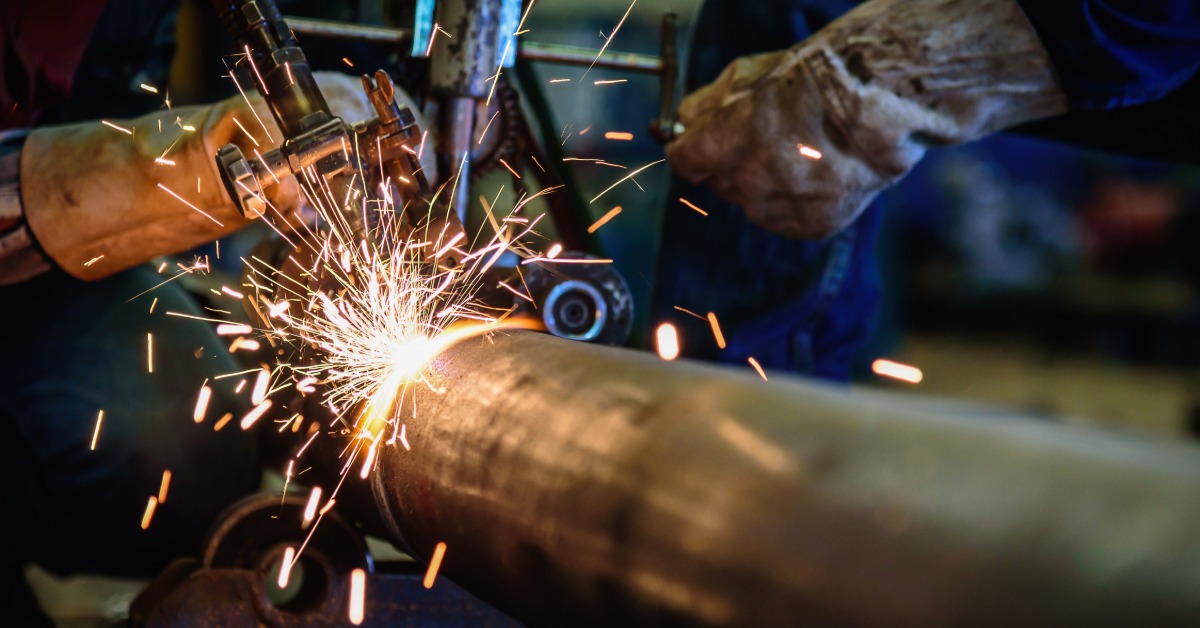 Many OEM applications require pipe or tube to be cut, drilled, bent, welded, or incorporated into a larger assembly after purchase. Those steps can alter the zinc coating, especially where processing creates a new edge or exposes bare steel.
Common fabrication points to evaluate include:
- Cutting: Determine whether newly exposed ends require touch-up protection.
- Welding: Account for coating disruption around the weld area.
- Bending: Check how the coating responds to the required bend.
- Drilling or punching: Consider protection at newly created edges.
- Post-fabrication finishing: Determine whether processed areas need an additional protective coating.
Cutting, Bending, and Welding
Cutting either product can expose bare steel at the newly created edge, which may require additional protection depending on the application. Bending can also place stress on the coating, so forming requirements should be considered alongside coating characteristics. Welding introduces another variable because heat can affect zinc near the weld zone.
Appearance and Finish Differences
Surface appearance may also influence product selection when the galvanized material remains visible in the finished assembly. Hot-dip galvanized surfaces can show variation associated with the galvanizing process, while pre-galvanized material begins with zinc applied to flat sheet or strip. As a result, the two products may have noticeably different finishes even though both use zinc for corrosion protection.
Finish should still be weighed alongside functional requirements. A more uniform appearance may be desirable for visible components used in furniture, equipment, or other exposed products. In applications where the material will be painted, coated, concealed, or subjected to harsh service conditions, other performance factors may carry more weight.
Pre-galvanized tube can also be produced with a clear organic topcoat that retards white rust. This topcoat also functions like a primer coat for painting. That option is not available with batch hot-dip galvanizing of finished pipe or tube.
Choosing the Right Galvanized Product
Hot-dip pipe may be the better fit when the finished product needs more complete zinc coverage, including the weld area, or will face more demanding outdoor or corrosive conditions. Pre-galvanized steel tube may be a better option when a more uniform finish, controlled coating, or efficient fabrication is the priority.
Manufacturers should also confirm the exact pipe or tube specifications before making a substitution. Hot-dip pipe may be better suited to applications where post-manufacturing galvanizing and broader finished-surface coverage are important. Pre-galvanized tube may work well in applications where appearance, consistency, and downstream forming are key considerations. Review dimensions, tolerances, grades, and intended use alongside the galvanizing method before making a final selection.
Hot-dip pipe and pre-galvanized steel tube both use zinc for corrosion protection, but they reach the finished product through different manufacturing sequences. Those differences can influence coating coverage, weld protection, fabrication requirements, surface appearance, and performance in specific environments. Evaluating each of those factors against the needs of the finished component gives manufacturers a stronger basis for comparison.