
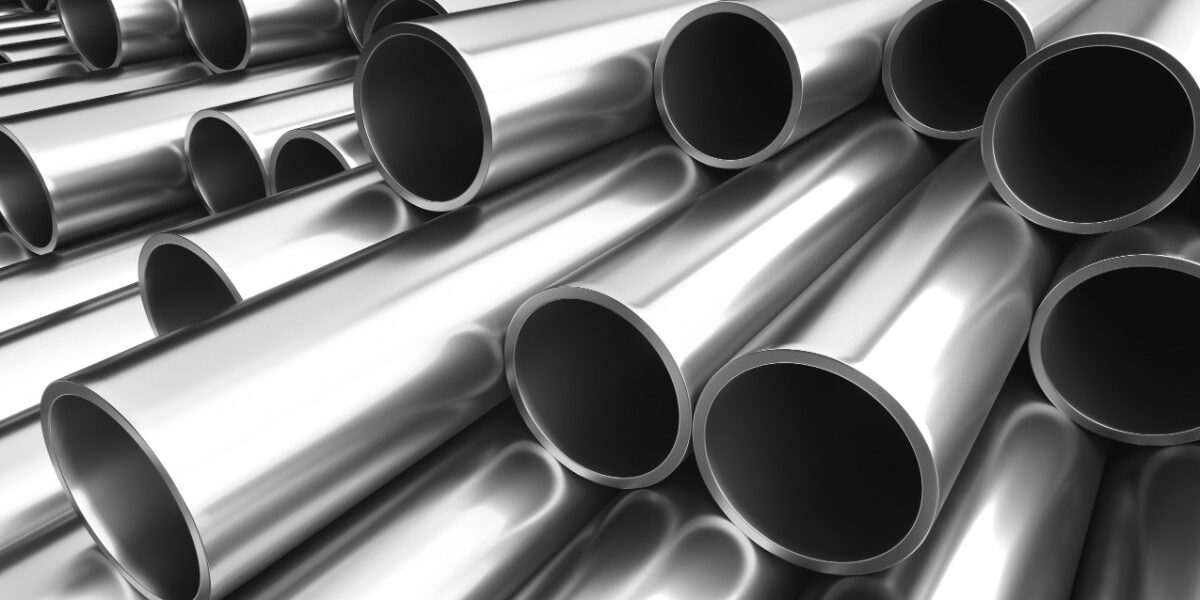
Choosing steel tubing often comes down to what happens after the material reaches your facility and where the finished product will be used. Coating needs, fabrication steps, production volume, and exposure conditions can all influence which option makes the most sense. The factors below outline when to choose pre-galvanized steel tube and where another option may be worth considering.
High-Volume Production Requirements
Manufacturers running repeatable production processes often need materials that can move efficiently from receiving through fabrication. Because pre-galvanized tubing arrives with a zinc coating already applied, it can reduce the need for additional coating steps later in the process. That can make it a practical option when consistency and production efficiency are key priorities.
Several production factors can make pre-galvanized tubing practical for high-volume manufacturing, including situations where:
- You have consistent material specifications across repeated production runs.
- Production lines are already set up to process pre-coated tubing.
- You want to reduce downstream coating steps that could slow larger production volumes.
Pre-galvanized tubing can work well in workflows built around repeatable cutting, forming, assembly, and handling. Starting with coated material may also eliminate the need to send completed components through a separate galvanizing stage.
Indoor and Sheltered Applications
The environment around the finished product should factor into the material decision. Indoor, covered, and otherwise sheltered applications generally face less direct exposure to rain and weather than fully outdoor installations. In those conditions, pre-galvanized tubing may offer appropriate protection without requiring a more intensive coating process.
Sheltered environments can still expose pre-galvanized steel tube to moisture or other conditions that increase corrosion risk. If the tubing will face regular condensation, chemical exposure, or occasional weather, consider whether the existing galvanized coating will provide enough protection. Adding paint or another coating may not be reliable, since residual oils and surface pollutants on pre-galvanized tubing can interfere with proper adhesion.
Consistent Surface Finish Requirements
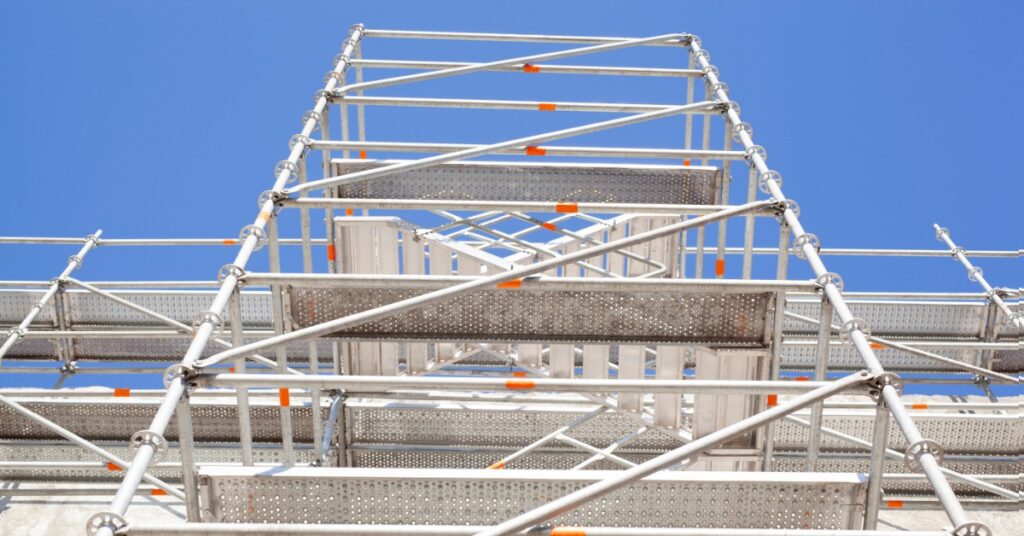
Pre-galvanized steel tube is a good choice when the surface will be visible or needs to meet a consistent finish standard. Its zinc coating is applied before the tube is formed, so the material begins with a smooth, relatively even coated surface.
With pre-galvanized steel tube, the original finish stays most consistent in areas that aren’t heavily altered during fabrication. Welding, cutting, and other secondary processes can expose or change parts of the coated surface.
Evaluating Storage and Handling Conditions
Pre-galvanized tubing can change before fabrication if it isn’t stored or handled carefully. Prolonged moisture exposure can affect the coated surface, while rough handling can scratch or damage the finish. Keeping the tubing dry and protecting it from unnecessary contact can preserve the surface quality through production.
Assemblies With Minimal Welded Areas
Pre-galvanized tubing is often a better fit for assemblies that require only limited welding. Keeping welded areas to a minimum allows more of the original zinc coating to remain intact across the finished part. That can reduce the number of areas that need added attention after fabrication.
Use Mechanical Connections
Assemblies that rely more on bolts, fasteners, or fitted connections can preserve more of the original galvanized surface. These joining methods generally disturb less of the coating than welding across multiple areas.
Limiting Coating Disruption
Even limited welding can remove or damage the zinc coating around a joint. If an assembly only has a few welded areas, most of the original galvanized surface can remain intact. Manufacturers can then focus on the specific joints where bare steel may need added protection. This makes it easier to assess the finished assembly and determine whether any post-fabrication treatment is necessary.
Review Connection Points
Evaluate each connection before production begins. Welded joints, cut ends, and other altered areas can expose steel even when most of the tube remains coated. Reviewing those points early can show whether the assembly still benefits from starting with pre-galvanized material.
Cost-Sensitive Manufacturing Applications
Pre-galvanized tubing can help manufacturers control costs without adding unnecessary production steps. Since the material arrives with a zinc coating already in place, it can reduce the amount of separate finishing work built into the manufacturing process. This is especially valuable on repeat orders or higher-volume jobs where small efficiencies add up.
The best cost advantage comes when the tubing can move through production with minimal additional treatment. In those cases, manufacturers may spend less time coordinating outside services, extra handling, or added processing. Consider the full production workflow to see whether pre-galvanized tubing offers a practical cost benefit.
Standardized OEM Product Lines
Pre-galvanized tubing can be a strong fit for OEM products that are manufactured repeatedly to the same dimensions and specifications. Using the same coated material across recurring production runs can make sourcing and processing more consistent. That consistency is especially useful when the product design changes little from one order to the next.
Standardized product lines also make it easier to predict how the tubing will move through fabrication. Manufacturers can build repeatable processes around known material characteristics instead of adjusting for different finishes or coating requirements from run to run. This can support smoother planning across purchasing, production, and quality control.
Support Consistent Quality Control
Standardized product lines often rely on the same inspection criteria from one run to the next. Using pre-galvanized tubing with known surface and dimensional requirements can make those checks more predictable. This can be especially useful when the finished product depends on maintaining the same material characteristics across multiple batches.
Consider Tube Shape and Size
Tube shape and dimensions can affect whether pre-galvanized tubing suits a specific OEM product. Some profiles and sizes may be more readily available in pre-galvanized form, while others may require a different material option or additional sourcing time. Checking availability early can prevent design changes or substitutions later in production.
Pre-galvanized steel tube is often the strongest fit when most of the original coating can remain intact through production. That makes it especially practical for repeat OEM work, limited-weld assemblies, and applications that don’t require a more aggressive coating system. This material can also reduce the need for separate galvanizing or other post-fabrication finishing steps.